
Pets in Montréal: permits, travel and veterinary care
Plan city permits, importing a pet, rental conditions and veterinary arrangements, and find the right service for a lost animal.
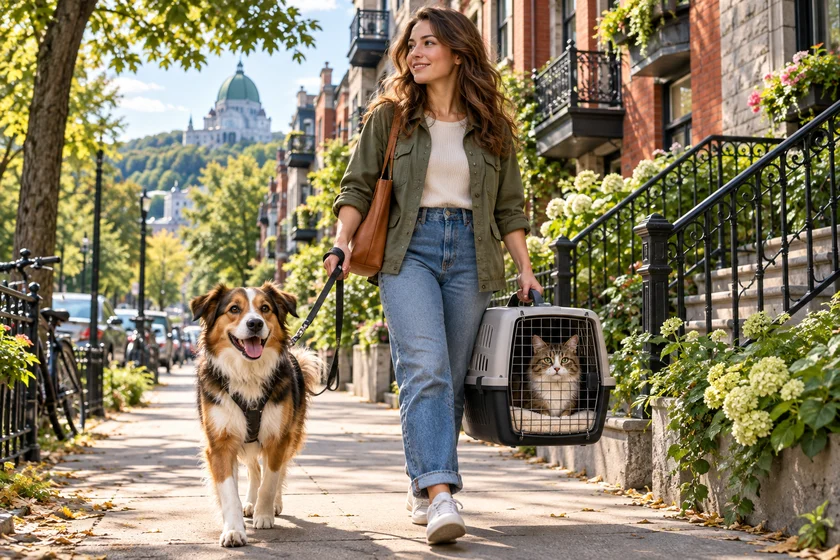
City permits and everyday responsibilities
Montréal requires an annual permit for cats and dogs, including indoor cats. The city publishes the current fee, renewal process and exemptions. For animals over six months, identification and address evidence are accompanied by proof of microchipping and sterilisation, subject to the listed exceptions. Other independent municipalities may have different rules.
Use the municipal pet owner guidance for leash requirements, identification tags, larger dogs and permitted exercise spaces. Pick up waste and respect children’s play areas and posted restrictions. A park is not automatically an area where a dog may run free.
Before renting, read the lease and building rules carefully. Restrictions on animals can apply. Disability related accommodation and particular disputes require an individual assessment; one story from another tenant does not settle every lease.
Importing and travelling with an animal
Start with the Canadian Food Inspection Agency’s pet import tool. Select the species, age, country and purpose of entry. Personal pets and commercial imports follow different routes; resale, transfer and some adoptions can be treated as commercial activity. Requirements for a kitten and a young dog need not match.
Check the accepted rabies evidence and document language, then separately confirm export rules, transit requirements, carrier approval and the airline’s booking conditions. A pet passport alone is not proof that every requirement is satisfied. City microchipping rules and federal entry conditions are separate questions. Confirm accommodation restrictions and fees in writing before paying for travel.
Veterinary costs, insurance and found animals
Ask clinics about routine care, emergency arrangements and how to obtain records. For insurance, compare the deductible, reimbursement percentage, annual limit, waiting periods, existing condition exclusions and coverage of dental and chronic conditions. Check whether you must pay the clinic first. A low advertised premium does not describe the full cover.
If you find a cat or dog, note the place and time and take a photograph from a safe distance. Do not assume an animal without a collar is ownerless. Contact the city or the shelter serving that territory before travelling; responsibility is assigned by area. A shelter may be able to scan for a microchip. Ask for evidence of ownership before handing an animal over.
Keep people and pets away from injured wildlife and obtain instructions before moving it. A young animal alone is not always orphaned. Use Québec’s wildlife reporting guidance for the species concerned. For a bite or possible exposure, seek health advice promptly through 811; use 911 for an immediate threat to human life.
Sources and further information
English edition updated November 19, 2026. Dated event details and individual source checks are identified in the article; confirm current conditions with the linked organization.