
Winter in Montréal: clothes, cars, housing and power outages
Prepare for winter with layered clothing, the correct tyres, snow removal parking checks and a three day home kit.
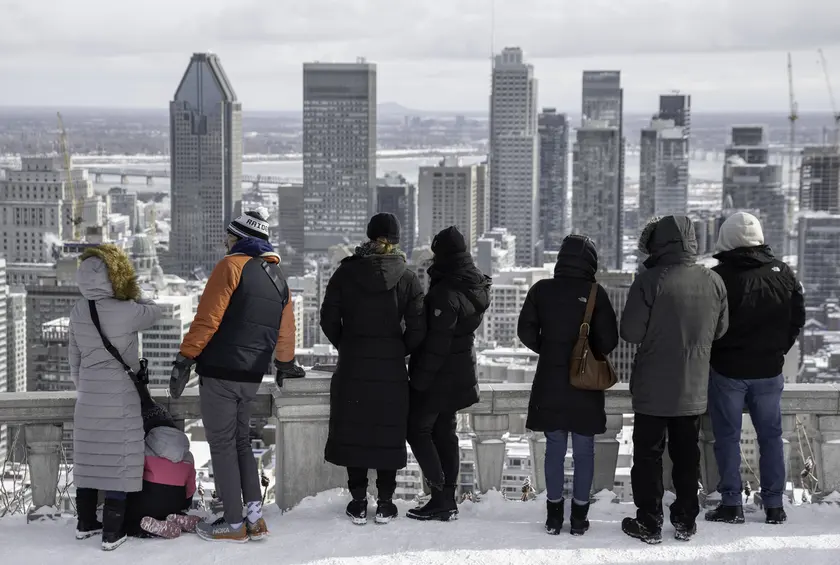
Start with footwear and layers
Waterproof boots with a stable sole, warm socks, mittens or gloves, a hat and neck protection make daily journeys easier. Use a base layer, insulation and an outer layer that protects against wind and precipitation. Check wind chill, freezing rain and official warnings as well as the temperature.
Waiting for a bus needs more warmth than brisk walking. Remove a layer indoors to avoid getting sweaty before going outside. On ice, use a shorter safe route; remove traction devices on smooth indoor floors. Choose maintained open skating areas rather than judging river ice from other people’s footprints.
Prepare the vehicle
For vehicles covered by Québec’s rule, winter tyres are mandatory from 1 December through 15 March inclusive. Check the required marking and the condition of all four tyres. Book early and respond to weather rather than treating the legal deadline as the first useful date.
Carry a brush, scraper, shovel, winter washer fluid, warm clothing and a charger. Have the battery checked and allow extra time. Clear snow from the whole vehicle, including the roof. Never run the engine in an enclosed garage. Check Québec 511 before a longer journey.
Check parking every time
Temporary snow removal restrictions can override the usual permission, while ordinary signs still matter. Read signs on both sides of the street whenever you park. Borough rules differ and yesterday’s parking permission does not establish today’s.
Use the municipal snow operations map for context and alternative parking. Confirm the exact lot conditions: temporary free parking during an operation is not a free space for the winter. Signs on the street take priority over an application notification.
Home preparation and outages
Agree who clears steps and entrances, who is responsible for heating and where water can be shut off. Keep ventilation and exits clear. Report heating faults to the landlord in writing.
Prepare for 72 hours with drinking water, food that needs no cooking, a manual can opener, flashlight, batteries, radio, first aid supplies, medicines and charged power banks. Add baby supplies, pet food and family contacts.
During an outage, follow official instructions. Barbecues, generators and outdoor appliances create a carbon monoxide danger indoors. If staying home becomes unsafe, use official information about warming locations and assistance.
Sources and planning links
The source guide recorded its checks in October 2026. Opening hours, prices, eligibility and availability can change. Use the relevant operator or public authority before acting.
English edition updated November 19, 2026. Dated event details and individual source checks are identified in the article; confirm current conditions with the linked organization.