
Renting in Montréal: apartment sizes, inclusions and tenant rights
Understand Québec apartment labels, the true monthly cost, lease changes, repairs and TAL procedures.
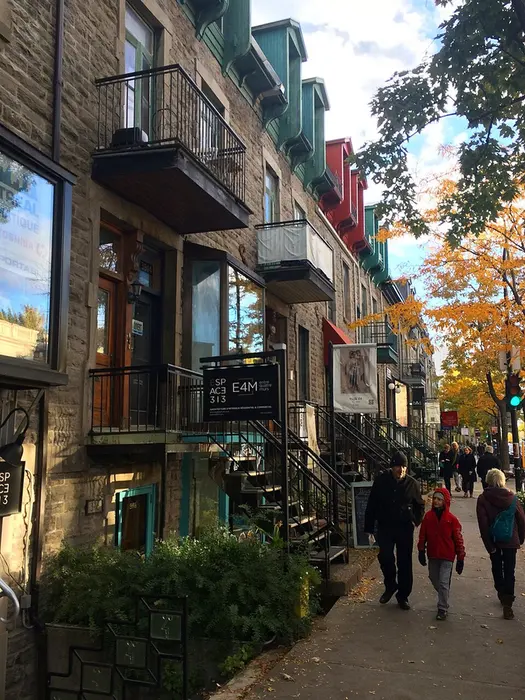
What 3½ actually means
Québec listings usually count main rooms, with a half room representing the bathroom. The label does not show floor area or guarantee a particular bedroom arrangement. Ask for a plan and inspect doors, windows and dimensions.
Common apartment labels
| Label | Usual layout |
|---|---|
| Studio / 1½ | One living room with a kitchen area and a separate bathroom |
| 2½ | Two main rooms plus a bathroom; the division of kitchen and sleeping space varies |
| 3½ | Usually one bedroom, a living room, kitchen and bathroom |
| 4½ | Usually two bedrooms, a living room, kitchen and bathroom |
| 5½ | Usually three bedrooms, a living room, kitchen and bathroom |
Open kitchens, double rooms and renovations can change these patterns. Decide from the actual plan rather than the number alone.
Furniture, appliances and the monthly budget
Non meublé means unfurnished; confirm the refrigerator and stove separately. Semi meublé often includes those two appliances but has no universal inventory. For a furnished apartment, request a written list and photographs of furniture, appliances and dishes.
Check frigo, cuisinière, lave vaisselle, laveuse and sécheuse individually. Laundry may be shared and coin operated. Ask who repairs included appliances and whether your own washing machine is allowed. Budget rent, electricity, heating, hot water, internet, tenant insurance, parking and laundry. Chauffé and éclairé refer to different inclusions; examine “tout inclus” item by item.
Before paying and signing
Inspect the apartment and verify the owner or representative’s authority. Save the advertisement. Record the term, rent, included services, furnishings, parking and relevant rules in the lease. Photograph existing defects and send the owner a written list.
The source’s TAL guidance says a landlord cannot require deposits for keys, furniture or damage, or advance rent exceeding the first rental period. Obtain payment receipts. A repair dispute does not itself permit withholding rent. Assignment and early termination have specific procedures; a casual message that you are leaving does not end the lease.
Lease changes and repairs
For an ordinary lease lasting twelve months or more, the source describes notice of changes three to six months before expiry and usually one month to respond after receipt. Silence means acceptance. A response can accept, refuse changes while staying, or announce nonrenewal. Keep proof that the response was received. Check exceptions, especially section F, before refusing. The landlord ordinarily has one month after a refusal to ask TAL to fix the rent. A headline percentage is not a universal ceiling.
Report leaks, mould or missing heat in writing with dates, photographs and the action requested. If unresolved, check formal notice and TAL procedures; urgent necessary repairs have a separate framework. A sale does not itself cancel the lease. Repossession and eviction for subdivision or a change of use are different processes. Check current restrictions with TAL or a local housing committee before signing an agreement to leave.
Sources and planning links
The source guide recorded its checks in October 2026. Opening hours, prices, eligibility and availability can change. Use the relevant operator or public authority before acting.
English edition updated November 19, 2026. Dated event details and individual source checks are identified in the article; confirm current conditions with the linked organization.